
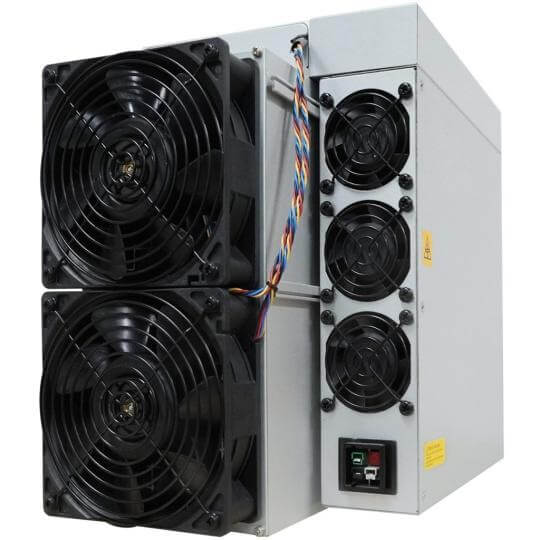
Bitcoin mining in 2025 is more competitive than ever. Whether you’re a beginner stepping into mining for the first time or an experienced operator looking to upgrade your hardware, choosing between ASIC miners can feel overwhelming. Two popular options that constantly appear in comparisons are the Antminer L9 and the Antminer S23.
This comprehensive guide compares both models in detail: hashrate, power consumption, profitability, and practical considerations. By the end, you’ll know exactly which miner fits your mining goals and budget.
What Is Bitcoin Mining and Why Hardware Matters
Before comparing miners, it’s essential to understand what Bitcoin mining actually is. Bitcoin is a decentralized digital currency that operates on blockchain technology. Miners validate transactions and add them to the network. In return, they receive newly minted bitcoins and transaction fees as rewards.
Mining demands enormous computational power. Regular computers simply cannot compete. This is where ASIC miners (Application-Specific Integrated Circuit) come into play. These specialized devices are engineered to perform cryptographic calculations faster and more efficiently than any other equipment available.
Selecting the right miner determines:
- Your hashrate (computational power)
- Energy consumption and electricity costs
- Gross monthly revenue
- Return on investment (ROI) timeline
Antminer L9: The Litecoin Mining Specialist
The Antminer L9 is an ASIC miner specifically designed for Scrypt-based cryptocurrencies, primarily Litecoin (LTC). This model is popular among miners who prefer diversification beyond Bitcoin-only operations.
Technical Specifications – Antminer L9
- Hashrate: 504 MH/s
- Power Consumption: 3.51 kW
- Weight: ~6.5 kg
- Compatibility: Litecoin, Dogecoin, other Scrypt-based coins
- Noise Level: ~73 dB
The L9 is a solid entry-level to mid-range option for miners interested in alternative coins. Its power efficiency relative to hashrate makes it attractive for smaller operations or those with limited electricity budgets.
Profitability of Antminer L9
As of 2025, the L9 generates approximately $50–$120 USD per month in gross revenue, depending on Litecoin price and difficulty levels. However, electricity costs vary significantly by region:
- Low-cost regions (0.05 USD/kWh): Net profit around $70–$100/month
- High-cost regions (0.15 USD/kWh): Net profit around $20–$40/month
The L9 typically pays for itself within 8–12 months in profitable regions.
Antminer S23: The Bitcoin Mining Powerhouse
The Antminer S23 is one of Bitmain’s most efficient Bitcoin ASIC miners designed specifically for SHA-256 algorithm mining. It’s the go-to choice for serious Bitcoin miners in 2025.
Technical Specifications – Antminer S23
- Hashrate: 120 TH/s
- Power Consumption: 3.25 kW
- Weight: ~5.5 kg
- Compatibility: Bitcoin, Bitcoin Cash, and other SHA-256 coins
- Noise Level: ~75 dB
- Efficiency Ratio: 27 J/TH (excellent for its class)
The S23 represents a significant leap in efficiency compared to older generations. Its 27 J/TH ratio means you get more computing power while using less energy—a critical advantage in the competitive mining landscape.
Profitability of Antminer S23
The S23 generates substantially higher revenue than the L9 due to Bitcoin’s market cap and mining rewards. Current estimates for 2025:
- Low-cost regions (0.04 USD/kWh): Net profit around $250–$350/month
- Average-cost regions (0.08 USD/kWh): Net profit around $150–$220/month
- High-cost regions (0.12 USD/kWh): Net profit around $80–$120/month
Most operators see ROI within 6–10 months, making the S23 a more attractive long-term investment than the L9.
Head-to-Head Comparison: L9 vs S23
| Aspect | Antminer L9 | Antminer S23 |
| Algorithm | Scrypt | SHA-256 |
| Target Coins | Litecoin, Dogecoin | Bitcoin, Bitcoin Cash |
| Hashrate | 504 MH/s | 120 TH/s |
| Power Draw | 3.51 kW | 3.25 kW |
| Efficiency (J/TH) | Not directly comparable | 27 J/TH |
| Monthly Revenue | $50–$120 | $250–$400 |
| Typical ROI | 8–12 months | 6–10 months |
| Best For | Diversified mining | Bitcoin-focused operations |
Key Factors to Consider When Choosing
1. Electricity Costs
The S23’s superior efficiency makes it the better choice in high-cost electricity regions. If your electricity costs exceed $0.12/kWh, the L9 may struggle to generate meaningful profit.
2. Cryptocurrency Preference
Do you want to mine Bitcoin exclusively or diversify? Bitcoin offers higher liquidity and stability, while Litecoin provides an alternative revenue stream. The S23 is tailored for Bitcoin; the L9 for alternatives.
3. Upfront Investment
Both miners are comparably priced, but Bitcoin mining (S23) typically offers faster ROI due to higher block rewards and network liquidity.
4. Mining Pool Requirements
Both devices work with major mining pools. Bitcoin pools (Slush Pool, Foundry USA) are more established; Litecoin pools are equally reliable but smaller.
5. Noise and Heat Management
Both units operate around 73–75 dB. Ensure adequate ventilation and cooling in your mining space, especially if running multiple units.
The Verdict: Which Miner Should You Buy?
Choose the Antminer S23 if:
- You want maximum profitability
- You’re focused on Bitcoin mining
- You have moderate electricity costs
- You prioritize faster ROI
Choose the Antminer L9 if:
- You prefer mining alternative coins
- You want to diversify your portfolio
- You have very limited electricity availability
- You’re testing mining before scaling up
For most miners in 2025, the S23 offers superior returns and efficiency. However, the final choice depends on your regional electricity rates, mining preferences, and long-term cryptocurrency outlook.
Conclusion
The Antminer L9 and S23 serve different purposes in the mining ecosystem. The L9 is an excellent option for alternative coin enthusiasts, while the S23 dominates the Bitcoin mining space with unmatched efficiency and profitability.
Before making a purchase, calculate your specific profitability using online mining calculators and compare electricity costs in your region. Monitor Bitcoin and Litecoin network difficulty—higher difficulty reduces profitability for both miners.
Regardless of which model you choose, investing in quality ASIC hardware remains one of the most reliable ways to participate in cryptocurrency mining in 2025.