


Plastic Recyclers See Market Turnaround
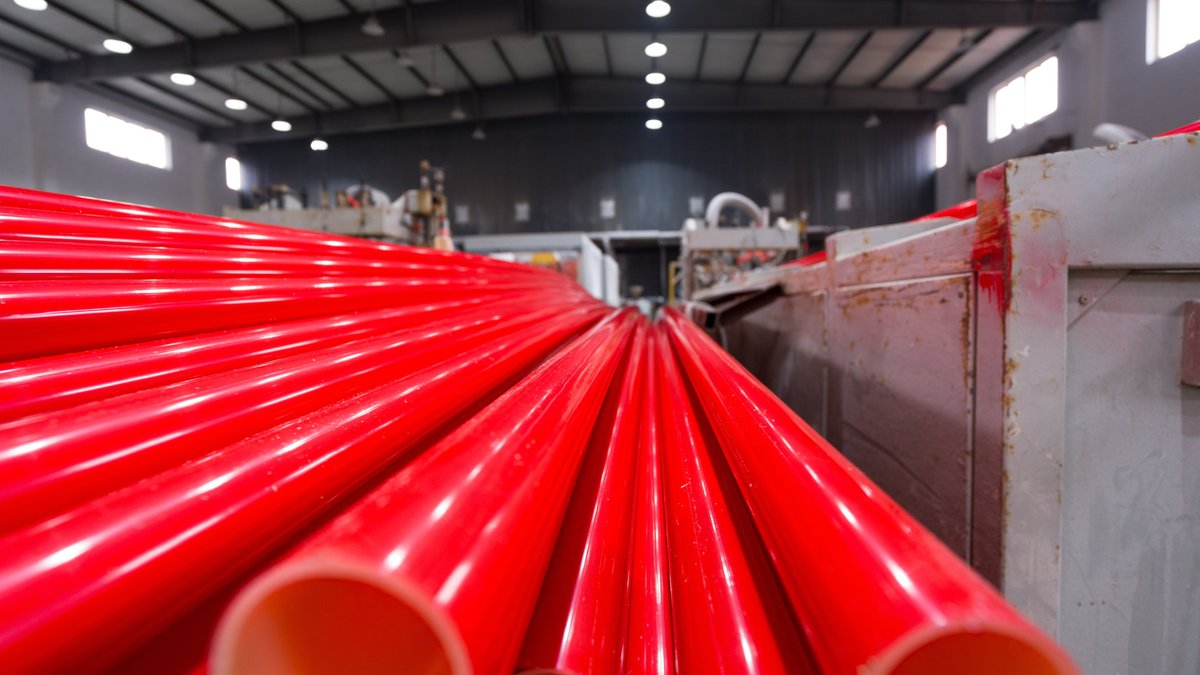
The market turnaround gives plastic recyclers cause for optimism, a shift driven by rising costs for virgin materials in the Middle East. At the tenth anniversary edition of the Plastics Recycling Show Europe in Amsterdam, the mood was cautiously positive, though delegates remained aware that the upturn was prompted by geopolitical conflict rather than sustainable policy changes.
The crisis in the Middle East has pushed up the price of virgin plastics, creating breathing room for recycled materials after several years of uncertainty. Since the start of the crisis, the sector has seen increased demand as manufacturers seek alternatives to more expensive inputs.
‘It’s too early to celebrate,’ warns Catherine Bianconi of Plastiloop. ‘As virgin plastic has become more expensive, we are seeing increased demand for recycled plastic. We therefore see this as an opportunity to show manufacturers just how good our product is and that it can be a fully-fledged substitute for virgin plastic. But we also realise that this crisis is temporary and that the problems in our sector are not yet behind us.’
The market for plastic recyclates remains precarious. According to Ton Emans, chair of Plastics Recyclers Europe, market pressures and policy uncertainty are putting the entire European plastics recycling value chain under severe strain.
Building for the long term
Renewi has also noticed the shift in the market. ‘We see this reflected in demand but, ultimately, we focus primarily on long-term partnerships,’ says Wim Pype, international sales manager at Renewi E-Waste. In 2023, a partnership with Electrolux won a Plastics Recycling Show Europe Award for a fridge whose interior is made from 70% recycled plastics.
Related: Why Window Replacement is One of the Most Valuable Upgrades for Dallas Homeowners
‘We are noticing that more and more companies are coming to us saying, “We want this too”. Through partnerships like this, we have proven that we can do it. Our recycled material is high quality and meets all requirements, so why not?’
Consistent regulation, enforcement and demand creation are essential for a robust market. ‘Without structural demand and fair competition, upscaling will not happen,’ Emans said. ‘Recycling works technically but political, economic and market conditions need to be better aligned to achieve a competitive and circular plastics economy in Europe.’
Creating a level playing field to make the sector competitive requires open dialogue and ongoing cooperation between the industry and European institutions, both Emans and the European Commissioner for the Environment, Jessika Roswall, agreed.
‘There is no circular economy without plastics recycling, and no competitive circular economy without a strong and resilient European recycling industry,’ Roswall noted.
Plastics Recycling Show Europe returns to the RAI Amsterdam on 29 and 30 June 2027.

Why Window Replacement is One of the Most Valuable Upgrades for Dallas Homeowners


