


Neeraj Chopra Reflects on Challenging Ten-Month Journey
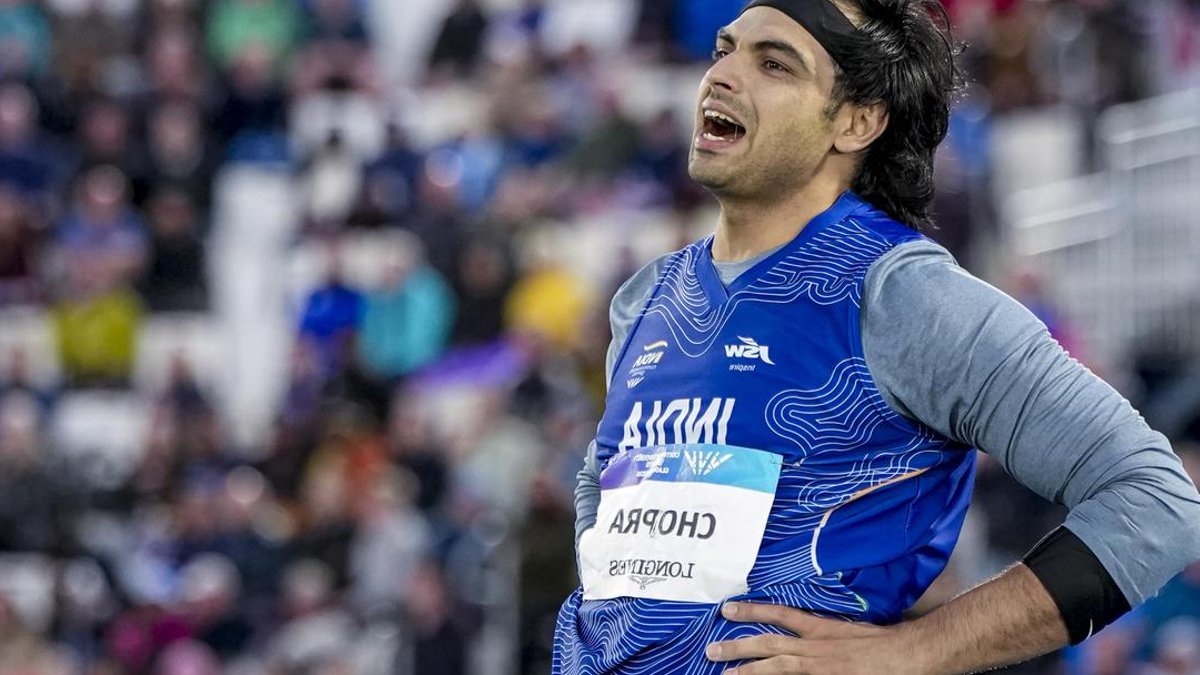
Neeraj Chopra, the 28‑year‑old Indian javelin star, disclosed that the past ten months have challenged him in ways he never anticipated, as he added a silver medal to his collection at the Commonwealth Games in Glasgow.
He earned silver in Glasgow.
Injury setbacks and a delayed start
Chopra entered the 2026 season coping with an adductor muscle strain and a series of other minor injuries that hampered his preparation. The athlete, a two‑time Olympic medalist, missed the 2022 Commonwealth Games due to injury. He sustained a lower‑back injury just before the World Championships in September last year and had competed in only a single event before the CWG.
Despite a late start, the javelin thrower found his rhythm during the final, delivering a season‑best throw of 85.83 metres. The performance placed him second behind Sri Lanka’s Rumesh Tharanga Pathirage, who recorded 89.75 metres amid gusty conditions that tested all competitors.
Recovery journey and support network
Chopra’s own words on Instagram highlighted the mental and physical toll of his comeback. “Recovering from multiple injuries, rebuilding my body, finding my rhythm again, and learning to be patient when all I wanted was to compete,” he wrote, noting that he trained daily without certainty of a competitive season.
The javelin ace expressed gratitude to his physiotherapist Ishaan Marwaha, coach Jai Chaudhary, and his family, emphasizing that the support system was essential for his return to elite competition. “None of this would have been possible on my own,” he said, acknowledging the collective effort behind his recovery.
His perseverance reflects a broader pattern seen among elite athletes who face recurring injuries. The ability to adapt training regimens while maintaining competitive focus often determines whether a season culminates in podium finishes or fades into rehabilitation.
Looking ahead, Chopra indicated that the season will progress “one step at a time,” suggesting a cautious approach to further competitions. While the silver medal marks a successful comeback, the athlete’s future plans remain contingent on his health and the ability to sustain performance levels without aggravating lingering issues.
Related: New CEO aims IndiGo as airline of choice
Given the demanding nature of javelin training, especially after a significant adductor injury, his gradual re‑entry into the sport may serve as a case study for sports medicine professionals seeking to balance recovery with elite performance.
Beyond the immediate triumph, Chopra’s career trajectory includes a gold medal performance at the 2018 Commonwealth Games in Gold Coast, where he threw beyond eighty‑six metres, a benchmark that still informs his technical standards.
The athlete’s narrative also shows the impact of environmental factors on competition outcomes. The windy conditions in Glasgow not only influenced distance measurements but also required competitors to adjust grip pressure and release angles, elements that seasoned throwers like Chopra must constantly recalibrate.
In addition to his athletic responsibilities, Chopra’s public statements have highlighted the role of mental resilience in overcoming setbacks. By sharing his day‑to‑day training routine and the uncertainty surrounding his season, he offers insight into the psychological discipline required to maintain focus amid physical adversity.
Coaching continuity has been a cornerstone of his development; Jai Chaudhary, who has guided Chopra since his early days with the javelin, provides strategic input on biomechanics and competition strategy, ensuring that technical refinements are aligned with the athlete’s evolving physical condition.
Family support, as repeatedly mentioned by Chopra, extends beyond emotional encouragement to logistical assistance, such as travel coordination and recovery logistics, creating an ecosystem that enables high‑performance athletes to concentrate on their sport.
The broader javelin community has taken note of Chopra’s comeback, with fellow competitors and commentators citing his ability to rebound from injury as a benchmark for professionalism and dedication. His measured approach to the remainder of the season serves as a template for managing workload while aiming for peak performance at major championships.
As the 2026 athletics calendar progresses, observers will watch how Chopra balances the demands of upcoming events with the need to protect his rehabilitated musculature, a dynamic that will shape both his personal legacy and the strategic planning of Indian athletics administrators.

New CEO aims IndiGo as airline of choice


