


Indian Embassy Emphasises Seafarer Safety in Black Sea
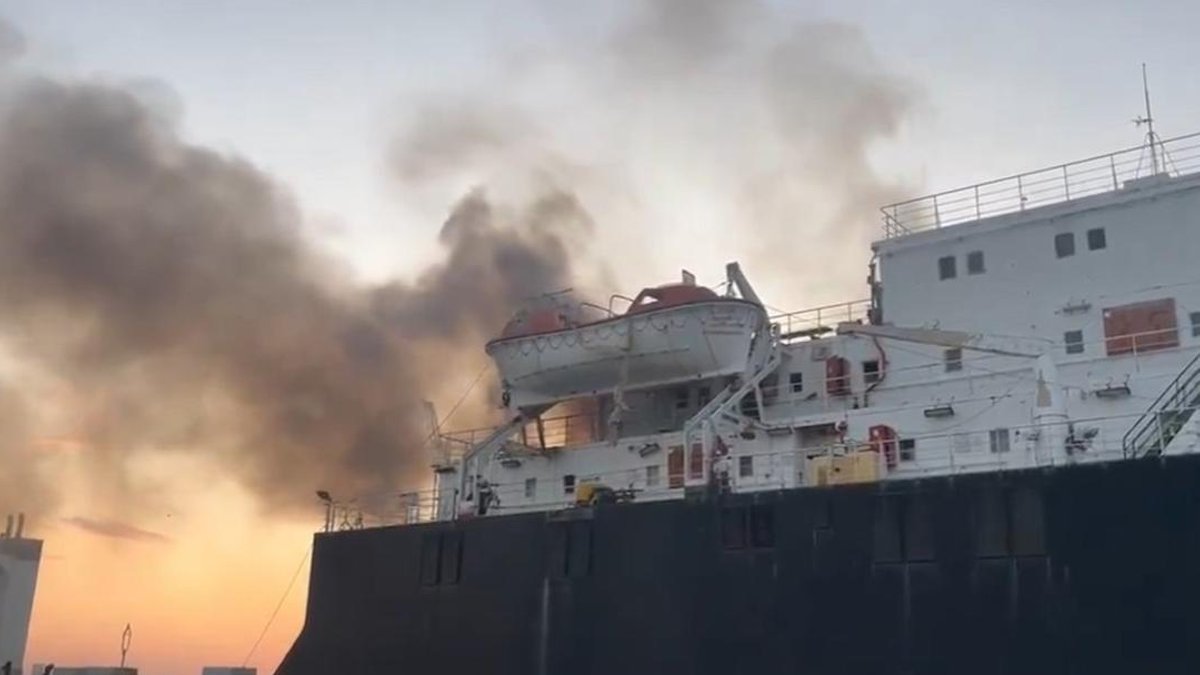
Indian seafarers on the commercial vessel M.V. AMIR1 are now the focus of diplomatic efforts after the Forward Seamen’s Union of India warned that 13 of the ship’s 15 crew members were trapped in a “terrible and life‑threatening situation” in the Black Sea.
Embassy says safety is “highest priority”
The Indian Embassy in Ukraine posted on social media that it had been alerted to the M.V. AMIR1 incident and was treating the matter with “highest priority.” The statement added that officials were in “constant touch with all concerned to ensure safety and security of all Indians on board.”
That message came hours after the FSUI’s urgent appeal, which described repeated drone and missile attacks near the vessel. According to the union, the crew lived under “constant fear of a direct hit at any moment,” and the appeal called on ship owners, the flag state, and the Indian government to arrange prompt repatriation.
Related: Internet users blocked from accessing websites
Recent attacks heighten concerns
India issued a travel advisory for its seafarers on July 26, after a series of attacks on merchant ships in the Black Sea turned the region into a maritime front of the Russia‑Ukraine war. On July 18, a Ukrainian projectile struck MV OMORFI, killing one Indian sailor. The following day, MV GOLDEN LEO was hit near Odesa, resulting in ten deaths, including four Indians. Another incident on July 25 involved MV AGN Ragnar at Odesa, where four Indian nationals were aboard; two were confirmed safe, while the whereabouts of the other two remained unknown.
India responded diplomatically, summoning the Russian charge d’affaires on July 22 over the MV GOLDEN LEO bombing, and the Ukrainian ambassador on July 27 after the MV OMORFI strike. Both summons conveyed India’s “strong concerns” about attacks on commercial vessels.
In a statement on July 28, Ministry of External Affairs spokesperson Randhir Jaiswal noted that India is the world’s second‑largest supplier of seafarers and stressed the need for safety and security for its sailors in conflict zones worldwide.
From a practical angle, the situation shows how quickly commercial shipping routes can become hazardous for crews when geopolitical tensions spill over into maritime domains. Indian families with members aboard such vessels now depend on swift diplomatic channels and clear communication from ship operators to manage the uncertainty.
Related: Plastic Recyclers See Market Turnaround
What officials are doing next
The embassy’s pledge to keep the issue at “highest priority” suggests ongoing coordination with Ukrainian authorities, the ship’s owners, and possibly international bodies that monitor maritime safety.
Security experts note that the Black Sea’s strategic importance means that civilian vessels may continue to face threats from both state and non‑state actors. The FSUI’s appeal highlights the urgency of establishing protected corridors or safe havens for merchant ships operating in contested waters.
As of the latest update, the status of the 13 Indian seafarers on M.V. AMIR1 remains uncertain, though the embassy’s active involvement offers reassurance that their situation is being monitored closely.

User access denied after restriction


