


Dubai bans metal scrap exports for months
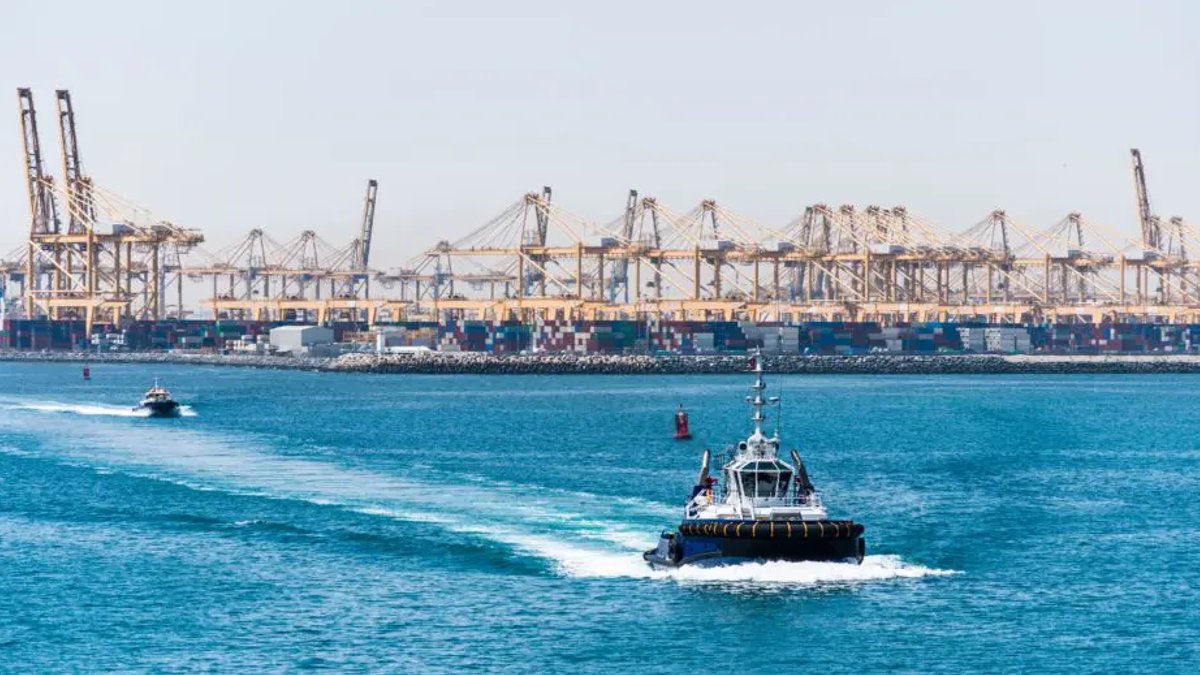
Dubai has imposed a four-month ban on the export of certain metal scrap materials, including iron, copper, and aluminium scrap categories, in a move to secure valuable raw materials for local processing. The ban is intended to support the local manufacturing sector by ensuring a steady supply of essential raw materials, which are critical for various industrial processes.
According to the Bureau of International Recycling, the restriction came into force on 10 June and will remain in place until 8 October. This timeframe suggests that the authorities are seeking to assess the impact of the ban and potentially adjust their strategy based on the outcomes observed during this period.
Temporary Export Ban
The ban will be renewed automatically unless a further notice is issued to cancel it, and applies to waste and scrap materials falling under specified HS codes, including iron (codes 72041000, 72042100, 72042900, 72043000, 72044100 and 72044900), as well as copper (code 74040000) and aluminium (code 76020000). The use of HS codes provides a clear and standardized framework for identifying the affected materials, facilitating compliance and enforcement efforts.
A full list of affected materials is available in the official notice issued by the Dubai authorities, which can be consulted by companies seeking to understand the scope of the ban and potential exemptions. The notice serves as a primary source of information for stakeholders, including exporters, importers, and manufacturers, who need to adapt their operations to the new regulatory environment.
Exemptions and Penalties
According to the Bureau of International Recycling, the notice provides for possible exemptions, subject to approval by the Ministry of Foreign Trade, which may apply to shipments prepared for export under valid international contracts concluded before the ban was issued. This exemption mechanism acknowledges the potential disruption caused by the ban to existing commercial agreements and seeks to mitigate its impact on businesses that have already committed to exporting certain materials.
Companies seeking an exemption must submit a request to the Ministry of Foreign Trade, and further information on the exemption process is available through the Ministry’s trade information platform. The online platform provides a convenient and accessible channel for companies to handle the exemption process, reducing administrative burdens and facilitating compliance.
Dubai Customs stated that violations of the temporary export ban will be subject to penalties under the Unified Customs Law and its implementing regulations. The enforcement of penalties serves as a deterrent to non-compliance, ensuring that companies adhere to the ban and respect the regulatory framework established by the authorities.
Related: Nandina explores new use for recycled carbon
Dubai-based Mir Mujtaba, president of the Bureau of Middle East Recycling, says the restriction is bad news for scrap recyclers and traders, as it comes just as the Strait of Hormuz is re-opening. The timing of the ban may exacerbate its impact on the industry, as companies were anticipating an increase in trade volumes following the reopening of this critical shipping route.
For Mujtaba, it looks like the decision to impose a ban has been made under pressure of local smelters trying to keep materials for domestic use. This perspective suggests that the ban may be driven by the interests of local industries, which are seeking to secure access to essential raw materials and maintain their competitive position in the market.
Impact on Trade
The export prohibition may have significant implications for trade in the region, and companies affected by the ban are advised to review the official notice and exemption process carefully. A thorough understanding of the ban’s scope, exemptions, and enforcement mechanisms is essential for minimizing disruptions to trade flows and ensuring compliance with the regulatory requirements.
The temporary export ban is a complex issue, and understanding its context is essential to grasping its potential consequences – the fact that it affects multiple industries, from recycling to manufacturing, means that its impact will likely be felt across various sectors. The ban may have far-reaching effects on the regional economy, influencing trade patterns, investment decisions, and the overall competitiveness of local industries.
As the ban remains in place until 8 October, companies and traders will need to adapt to the new regulations and explore possible exemptions to minimize disruptions to their operations. The coming months will be critical in assessing the effectiveness of the ban in achieving its intended objectives, as well as its unintended consequences on the regional trade setting.
The ban’s impact on the regional trade setting will also depend on the response of other countries and industries, which may be affected by the restriction on metal scrap exports. The potential for retaliatory measures or shifts in trade patterns may further complicate the situation, highlighting the need for ongoing monitoring and analysis of the ban’s effects.
In addition to its economic implications, the ban may also have environmental consequences, as the restriction on metal scrap exports could influence the availability of recycled materials and the production of new metals. The interplay between economic, environmental, and social factors will be key in determining the overall impact of the ban and informing future policy decisions.

Nandina explores new use for recycled carbon


