


Mojave Desert Processes 400,000 Tonnes of Steel Scrap
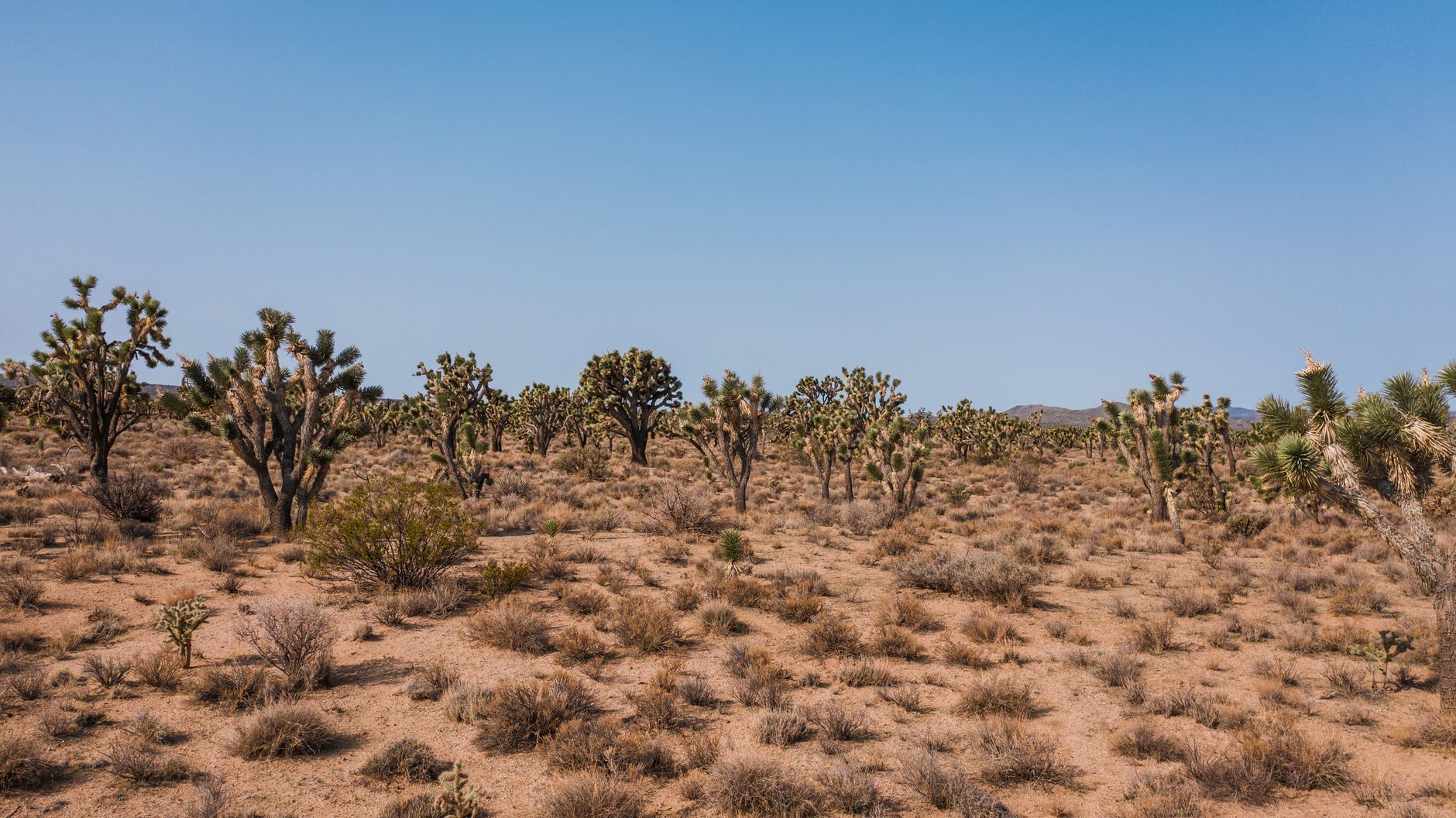
Pacific Steel Group’s new Mojof Micro Mill aims to process steel scrap each year in the California desert, targeting a start‑up in mid‑2027.
Construction advances amid harsh conditions
Located roughly 35 km from Edwards Air Force Base, the plant sits in a region where summer temperatures can hit 50 °C. Despite the heat, construction proceeds despite the heat.
Construction has proceeded for eight months, according to Mark Olson, vice president of mill operations. He told a trade outlet that the project remains on schedule for a mid‑2027 start‑up.
Pacific Steel Group, founded in 2014, operates several facilities across the western United States, supplying steel bars, rebar cages and post‑tension cables for a range of construction projects. The Mojave site represents the company’s largest single investment, with a reported cost of $600 million.
Electric arc furnace powered by renewables
The mill will use an electric arc furnace to melt recycled steel scrap and cast it into rebar, a core component of concrete structures.
Expected annual output ranges from 380 000 to 450 000 tonnes once the plant reaches full capacity. Renewable energy is central to the design. About one‑third of the 700 000 m² site will host solar panels, supplemented by wind generation and storage facilities. This on‑site power is intended to feed the electric furnaces directly, reducing reliance on fossil‑fuel‑based blast furnaces that dominate traditional steelmaking.
By integrating local solar and wind resources, the project aligns with California’s climate objectives, which emphasize lower‑emission industrial processes.
At present the facility employs roughly 450 workers, a number that could rise to 1 200 as construction finishes and operations commence.
Related: Chinese Auto Exports Surge as Domestic Sales Fall
State authorities have offered multi‑million‑dollar tax credits, reflecting the anticipated economic impact on the region.
Pacific Steel hopes the facility will lessen the state’s dependence on imported steel. Currently, much of California’s scrap is shipped overseas, and finished steel products are imported from abroad. Processing scrap locally could keep more of the material cycle within the state.
Scrap will be sourced from a 300‑400 km radius around the plant, drawing on a sizable pool of recyclers in the greater Los Angeles area. Olson noted that several scrap firms have expressed interest, though no supply contracts have been finalized yet. He added that contract negotiations will begin later this year.
The project is notable for being the first steel mill constructed in California in more than half a century, marking a shift toward domestic production in a state that has long relied on external sources for steel. Its location in the Mojave Desert, a region traditionally seen as inhospitable to heavy industry, shows a strategic choice to capitalize on the area’s abundant sunshine and open land for renewable installations.
Experts describe the facility as a blend of advanced manufacturing techniques and environmental performance, positioning it as a model for future steel plants that aim to minimize carbon footprints. The reliance on an electric arc furnace, rather than the more carbon‑intensive blast furnace, reflects a broader industry trend toward cleaner processes.
Beyond the immediate job creation, the mill is expected to stimulate ancillary businesses, including logistics firms that will transport scrap from surrounding counties and service providers that will maintain the solar and wind infrastructure. This ripple effect supports the regional economy and aligns with state policies that encourage high‑growth, low‑emission sectors.
By sourcing scrap within a 300‑400 km corridor, the mill reduces the mileage associated with long‑haul transport, thereby lowering emissions linked to material movement. The emphasis on local supply chains also helps to stabilize the input market, providing a more predictable flow of raw material for the plant’s operations.
Overall, the Mojave Micro Mill illustrates how strategic placement, renewable energy integration, and modern steelmaking technology can converge to create a sustainable industrial hub in an otherwise challenging environment.

Chinese Auto Exports Surge as Domestic Sales Fall


