


Asia’s Power Grid Inequity Slows Renewable Shift
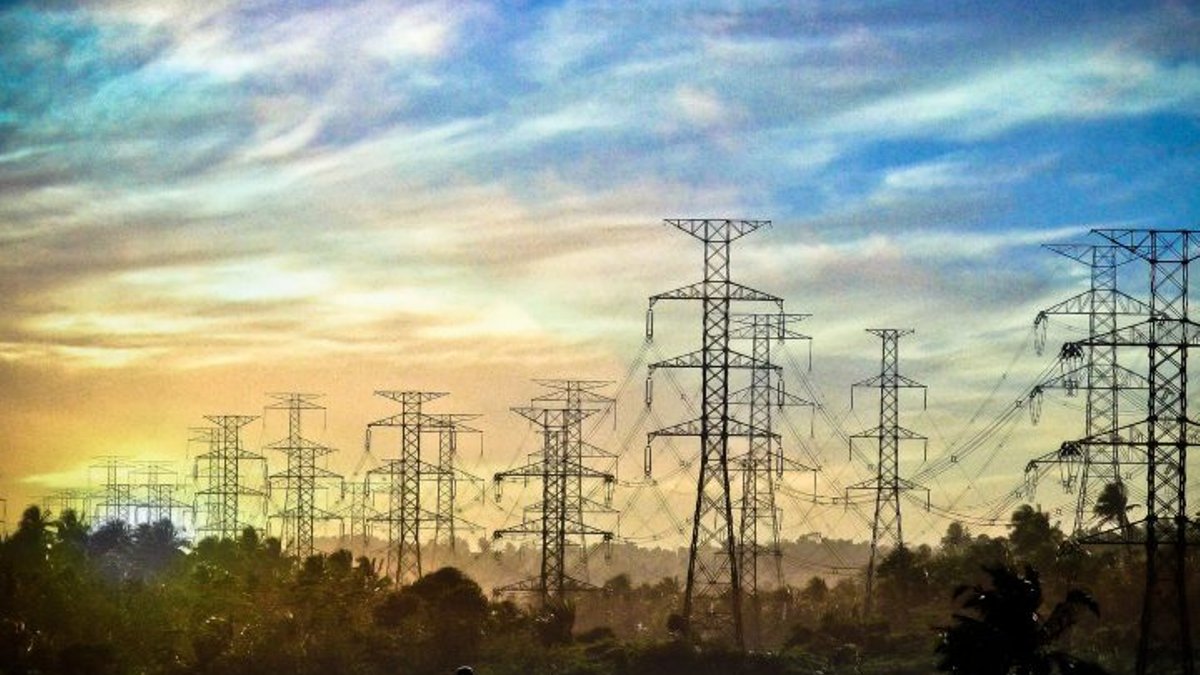
Uneven power grid infrastructure is impeding the adoption of renewable sources throughout Asia, as outdated networks and regulations continue to favor fossil fuels, a prominent civil society group reported.
Despite possessing advanced economies and the capital necessary to upgrade grid infrastructure, nations such as South Korea and Japan are among those accused of restricting equitable access to their national grids. The findings emerged during a workshop in Bangkok on Monday hosted by Solutions for Our Climate, which focused on the topics of energy integration, grid access and market reforms.
While many Asian governments are speeding up electrification and expanding renewable capacity to meet rising demand from AI data centers and various industries, they are also strengthening power grids. President Lee Jae Myung’s administration in Seoul has a plan to build an ‘Energy Highway’ and expand green energy capacity to exceed 100 GW by 2030. Nevertheless, there are worries regarding the speed at which these initiatives can secure grid access.
Grid Access Bottlenecks in South Korea
In Chungcheong province, where half of South Korea’s coal fleet is situated, offshore wind projects are being pursued to replace aging coal plants. However, the organization notes that grid access for this development will likely not be available until at least 2032. This situation highlights a conflict within South Korea’s power system: the state-owned utility Korea Electric Power Corporation (KEPCO) functions as a gatekeeper, creating barriers for renewable energy.
The issue goes beyond a lack of physical capacity. It is rooted in power systems that are influenced by the interests of incumbent fossil fuel players. Urgent reforms regarding unfair grid access are necessary, alongside investments in new transmission infrastructure across Asia. The group also emphasized the need to address the deep-seated conflict of interest within the power sector in the long run.
The Bangkok workshop gathered civil society organizations from across the region to compare experiences and identify common obstacles to integrating renewables. Participants discussed the root causes and identified shared priorities to map grid integration barriers and explore opportunities for coordinated action.
Gahee Han, the power market and grid head at Solutions for Our Climate, remarked: “It’s surprising to see that East Asia and Southeast Asia are sharing core issues—unequal grid access for renewable energy—leaving fossil-fuel generation protected while renewables face delays or curtailment. That is a question for countries across Asia, and countries must keep at the center of grid reform.”
In other Asian business news, Indonesia announced on Tuesday that it will stop a project to clear several million hectares of forest for rice production, as the country has reached self-sufficiency for the staple grain.
The government launched a program in 2024 aimed at ending reliance on rice imports within five years by clearing three million hectares for paddies, AFP reported. As one of the world’s most forested nations, Indonesia acts as a significant carbon sink, absorbing planet-warming emissions from burning fossil fuels. It aims to become a net carbon sink by 2030, where forests and land use absorb more carbon than they emit. However, observers warn that ongoing forest destruction for agriculture and logging, as well as rampant wildfires, could jeopardize Indonesia’s targets.
President Prabowo Subianto described this year as an “important victory” after data showed that nationwide rice demand was met by domestic production, making the nation one of the top consumers of the commodity. Climate envoy Hashim Djojohadikusumo stated that the government’s strategic rice reserve stock had reached approximately 5.3 million tons.
“The government sees no further need for expanding rice cultivation areas in the so-called forest areas,” said Hashim, who is Prabowo’s brother.
According to the National Food Agency, a government body focused on food security, Indonesia produced 34.71 million tonnes of rice in 2025—surpassing the annual demand of 31.19 million tonnes. Haze from wildfires consuming forests and peatlands in Indonesia has blanketed neighboring Malaysia and Singapore for weeks. Hot, dry conditions linked to the El Nino weather phenomenon have fueled these fires, which are also connected to land clearing.
Asian stocks mostly up
Asian stocks mostly rose on Tuesday as a tech-driven record on Wall Street was moderated by ongoing concerns regarding a spike in government borrowing costs. Oil prices held most of their losses from the previous day, which followed a G7 release of stockpiles, a price cut from Saudi Arabia, and a return of Gulf exports to pre-war levels, although supply fears are keeping prices raised.
The US Nasdaq closed at a record high thanks to rallies in tech giants including Nvidia, SpaceX and Meta, though observers noted that market gains were becoming increasingly concentrated in a few stocks. Asia struggled to match the positive momentum seen on Wall Street in the morning but improved as the day progressed.
Tokyo, Hong Kong, Sydney, Singapore, Mumbai, Bangkok, Jakarta and Wellington also saw gains, while Seoul and Manila edged down. Shanghai was closed for a holiday. London, Paris and Frankfurt were also up. Traders remain uncertain about the Middle East crisis, which has driven up energy costs and inflation, pressuring central banks to raise interest rates. This has pushed government bond yields to levels unseen for decades. Analysts argue that the race to build AI data centers, servers and chips has worsened this situation, as tech giants can no longer depend on their large cash reserves.
Borrowing by companies including Google, Amazon and Microsoft reached around $500 billion in the nine months since January, and Goldman Sachs predicts a further increase in 2027 to $1.2 trillion. Oil prices fell to extend Monday’s drop, with Brent back below $100.
However, Saudi Aramco’s chief executive Amin Nasser, speaking after the G7 release, warned about global stockpiles. “The system is already straining,” he told the Energy Intelligence Forum in London. “And with precious little else the world can turn to, the supply resilience cushion is scarily thin.” Middle East oil exports, excluding Iran, surpassed their pre-war levels last week despite attacks on ships in the Strait of Hormuz, according to data from the maritime tracking firm Kpler. But FOREX.com’s Fiona Cincotta noted: “Tensions in the Middle East remain raised, with several vessels coming under attack around the coast of Oman and Yemen. This could limit the downside in oil prices, particularly if disruptions to shipping or regional supply intensify.
The key question is whether improving crude supply can outweigh the geopolitical risk premium and keep oil prices under control. A sustained decline in energy prices would ease some of the inflation pressure currently complicating the outlook for central banks.


