


Key Markets for Export Diversification
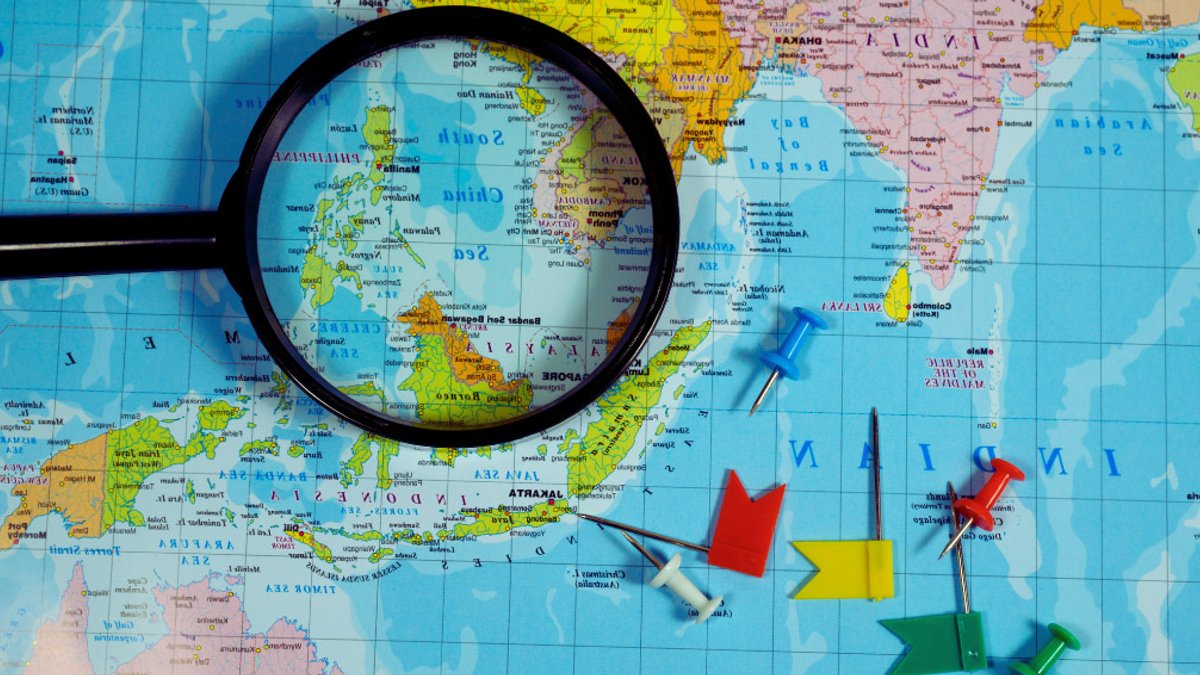
Market diversification has shifted in recent years, moving from a nice idea to a practical necessity. Supply chains continue to evolve, geopolitical risks are more visible, and many businesses are discovering that relying on one region for most of their revenue brings unnecessary risk. The good news is that several fast-growing and business-friendly markets are opening their doors to global exporters.
What makes a market worth entering today is ease of doing business, openness to trade and free trade agreements (FTAs), growing import demand, low or manageable political risk, and untapped potential. Tools such as the ITC Export Potential Map offer insights into where meaningful opportunities still exist globally.
Top Export Markets for 2026
With these criteria in mind, some of the markets that stand out in 2026 include Vietnam, India, Indonesia, the United Arab Emirates, Latin America, Sub-Saharan Africa, and South Korea. These countries have strong demand, improving infrastructure, predictable regulation, and openness to international products.
For instance, Vietnam is one of Asia’s most dynamic economies, with rapid expansion in electronics, garments, furniture, and other manufacturing sectors. The OECD argues that reducing FDI restrictions, improving infrastructure, and strengthening innovation capacity are key to making Vietnam more competitive and business-friendly.
Emerging Markets in Asia
India continues to be one of the strongest performers in global trade growth, with UNCTAD pointing to India as a high-growth market. Recent trade data shows India importing more from regions such as Latin America and East Africa, reflecting the country’s growing role in global supply chains.
Indonesia remains a key growth engine in Southeast Asia, with exports growing 12.7% year over year, driven by palm oil, minerals, rubber, and other commodities. As these industries expand, so does the need for imported machinery, equipment, and supporting services.
Global Trade Hubs
The United Arab Emirates continues to stand out as an efficient global logistics hub, with a network of free zones, predictable regulation, and strong connectivity making it a natural entry point for exporters looking to reach Africa, South Asia, and the Middle East.
Latin America, particularly Brazil and Mexico, remains a strong region for companies seeking to diversify beyond traditional partners. UNCTAD data shows Mexico and Brazil performing particularly well, surpassed only by India and China.
Rapidly Growing Consumption and Infrastructure Needs
East African markets such as Kenya, Tanzania, and Ethiopia are becoming important markets for exporters to consider, with rapidly growing consumption and infrastructure needs. The region’s main exports are largely agricultural and primary commodities, while its main imports are fuel, machinery, vehicles, pharmaceuticals, and industrial equipment.
South Korea is an advanced and predictable market with strong import needs across machinery, electronics, automotive parts, food products, and medical goods. Its close integration with both Western and Asian supply chains makes it a reliable destination for exporters who prefer stable, mature markets.
Renewable Energy Opportunities
The renewable energy sector deserves its own mention, with countries such as Brazil and Chile investing heavily in solar, wind, and battery storage capacity. This creates demand for turbines, panels, inverters, energy management systems, and engineering services.
According to the International Energy Agency (IEA), continued growth in clean energy infrastructure across Latin America can be a strategic diversification route for exporters in green tech, metals, electronics, and industrial solutions.
Exporters can move from insight to action by using data tools to validate market fit, taking advantage of FTAs and tariff benefits, starting with a phased entry strategy, planning for compliance and risk management early, and leveraging trade missions and government support.
Diversification for Growth
In 2026, diversifying export markets is as much about protecting your business as it is about growth. Vietnam, India, and Indonesia are booming with rising demand; South Korea delivers predictability and logistical efficiency; and Latin America and East Africa are fast becoming regions to watch, with growing consumer markets and long-term potential.
They are becoming increasingly important for global trade, driven by their large and growing populations, and their increasing demand for imported goods and services.
For companies looking to expand their export markets, these regions offer a range of opportunities, from electronics and machinery to food and beverages, and from industrial equipment to consumer goods.
By understanding the trends and opportunities in these markets, exporters can make informed decisions about where to focus their efforts and how to tailor their products and services to meet the needs of these growing markets.
It is worth noting that, in order to succeed in these markets, exporters need to have a deep understanding of the local business environment, including the regulatory framework, the competitive market, and the cultural and social norms.
They also need to be able to adapt their products and services to meet the specific needs of these markets, and to be able to work through the complexities of international trade, including issues such as logistics, payment terms, and intellectual property protection.
Exporters who are able to do so will be well-positioned to take advantage of the opportunities presented by these growing markets, and to achieve long-term success and growth.
Trade Facilitation Measures
Furthermore, the growth of international trade in these regions is also driven by the increasing number of free trade agreements and other trade facilitation measures, which are making it easier and less costly for companies to export their goods and services.
For example, the global minerals trade has been growing rapidly in recent years, driven by the increasing demand for minerals and metals from countries such as China and India.
This trend is expected to continue in the coming years, driven by the growing demand for minerals and metals from emerging markets, and the increasing use of these materials in a range of industries, from construction and manufacturing to electronics and renewable energy.
In addition, the growth of international trade in these regions is also driven by the increasing use of digital technologies, such as e-commerce platforms and digital payment systems, which are making it easier for companies to reach new customers and to conduct international trade.
For instance, Indonesia has been investing heavily in digital infrastructure, including e-commerce platforms and digital payment systems, in order to support the growth of its digital economy.
This investment is expected to pay off in the coming years, as the country’s digital economy continues to grow and to attract new investment and trade opportunities.

MBA versus CITP key differences


