


Tesla’s European Deliveries Plunge as Chinese EVs Surge
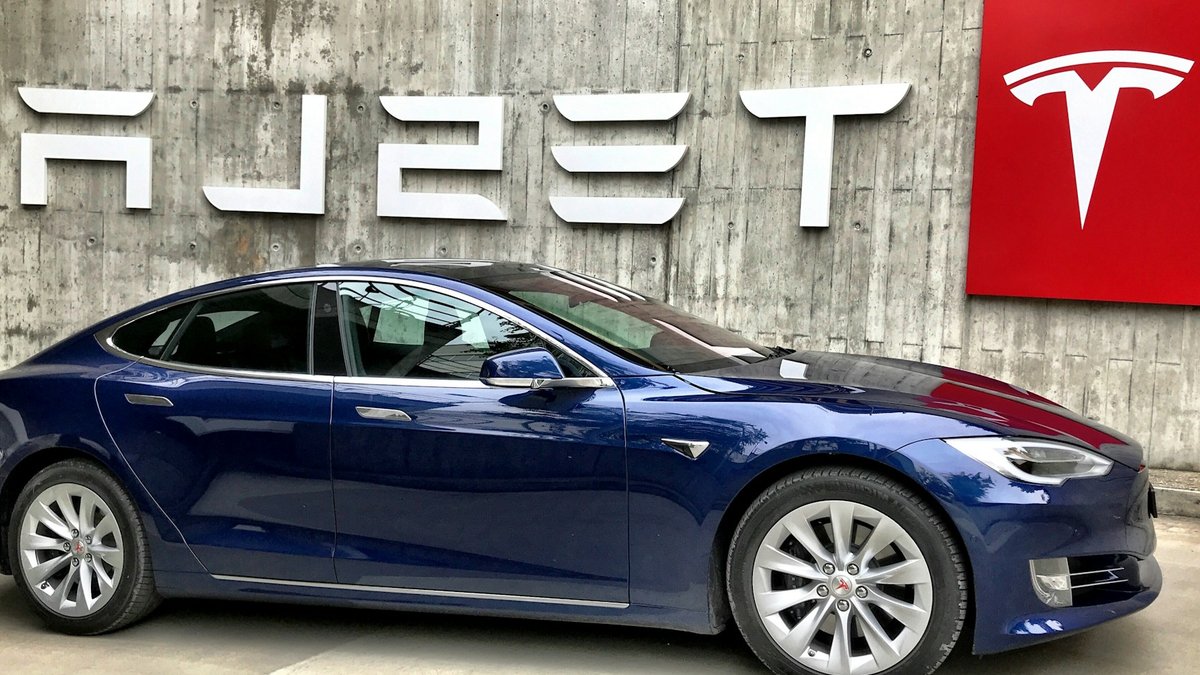
Tesla’s European deliveries continued to plummet in January 2026, extending a steep decline that began in 2025 when sales dropped from 326,000 units to approximately 235,000. Early registration data from key markets shows the automaker struggling to regain momentum against surging Chinese competition and shifting consumer sentiment. Tesla fell from a 2023 market share of 2.4% to roughly 1.4% to 1.7% by the end of 2025, and failed to break into the top five Battery Electric Vehicle sellers in major European hubs during the new year.
European Market Share Collapse
In specific countries, the downturn was severe. French registrations fell 42% to 661 units, while Norway saw an 88% drop to just 83 units. Sweden and Denmark registered yearly increases, but these gains could not offset losses elsewhere. Year-over-year comparisons for January suggest declines as steep as 50% in certain regions compared to the same period in 2025.
Aging Lineup Weakens Tesla’s Position
The company’s aging product portfolio is increasingly problematic. A recent Escalent study found 38% of European respondents believe Tesla’s “freshness” has worn off. With the Model S and Model X scheduled to end production in summer 2026 and no immediate replacements announced, Tesla relies heavily on the recently refreshed but aging Model 3 and Model Y.
Market friction persists in Scandinavia and Germany. Ongoing labor disputes in Scandinavia and public backlash against CEO Elon Musk’s political positions have sparked organized protests and “brand avoidance” among some European buyers.
Chinese EV Makers Surge in Europe
Chinese manufacturers are no longer merely entering the European market—they have arrived in force. The XPeng P7+ debuted at the Brussels Motor Show in January 2026, targeting the same demographic that typically purchases the Model 3.
The company became the world’s largest BEV seller in 2025, delivering 2.26 million vehicles—a 27.9% year-over-year increase.
US Tax Credit Exit Hurts Tesla
The expiration of the U.S. $7,500 federal EV tax credit at the end of September 2025 created significant headwinds for Tesla. While this triggered a massive surge in Q3 2025 purchases, it left a vacuum in Q4.
Tesla delivered 418,227 vehicles in Q4 2025—a 16% decline from the same period in 2024. This fell short of the consensus estimate of 440,907 and also missed Tesla’s own published analyst consensus of 422,850 vehicles, which the company had released on its website days before the actual announcement to “anchor” investor expectations. The decline was largely attributed to cooling demand following the federal incentive expiration, which had caused a massive “pull-forward” of sales into the third quarter.
Tesla’s Global Delivery Decline and Q4 Performance
Global vehicle deliveries for Tesla fell to 1.64 million in 2025, marking an 8.5% decrease from the 1.79 million units delivered in 2024. This represented Tesla’s first annual decline in vehicle deliveries since the company went public in 2010. The reduction in volumes reflected multiple challenges including intensifying competition, weakening consumer demand, and the absence of major product updates during much of the year.
Market Challenges and Future Strategy
Tesla responded in the fourth quarter by introducing cheaper, stripped-down versions of the Model 3 and Model Y, but these measures proved insufficient to counteract the market headwinds created by the expired federal tax credit and softening global EV demand.
The Cybercab, unveiled at Tesla’s annual meeting, exemplifies this transformation. The fully autonomous robotaxi, designed without a steering wheel, pedals, or side mirrors, targets mass production beginning April 2026 at Gigafactory Texas. This supports the objective of deploying 1 million robotaxis in commercial service as part of Musk’s long-term compensation framework.

Microsoft stock plummets despite strong earnings


