


North Korea Opens New Bridge to China
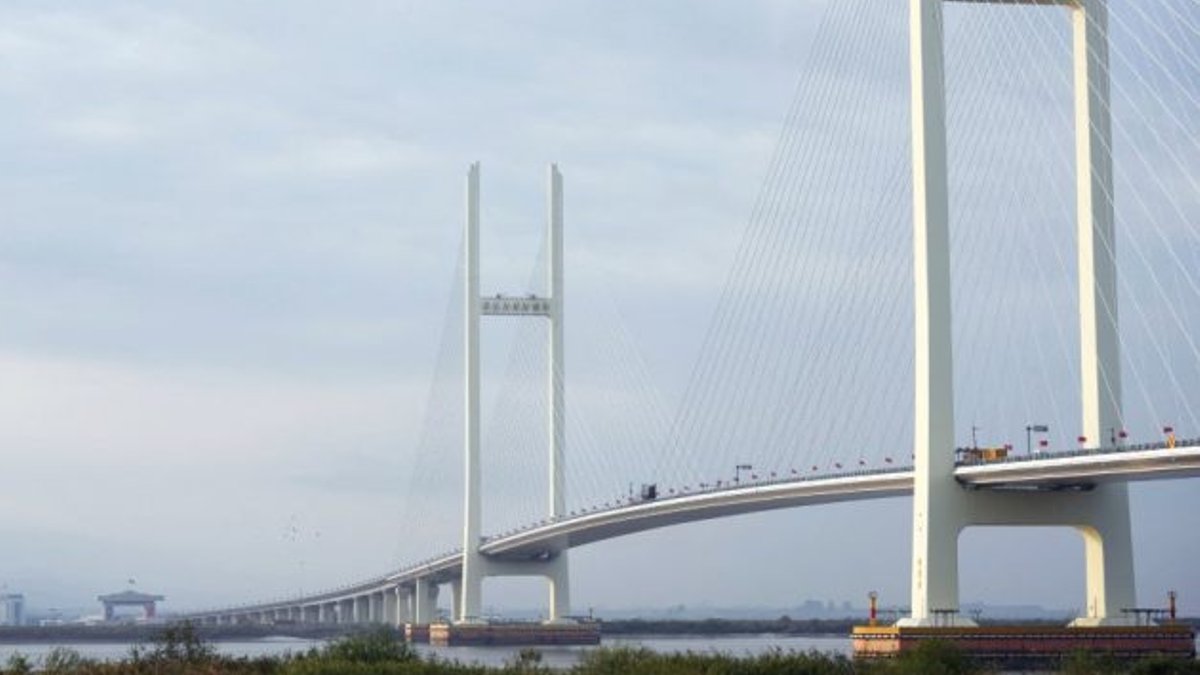
On Thursday, North Korea inaugurated the New Yalu River Bridge, a 3,026-metre, four-lane structure connecting it to China, marking a significant milestone for the isolated nation. Trucks adorned with flags and flowers crossed the bridge, symbolizing the anticipated boost in trade with its large neighbor, as the event drew attention to the region’s economic potential.
Hundreds of locals in the Chinese border town of Dandong gathered to watch the bridge open, snapping selfies and waving Chinese flags.
The bridge was completed in 2014, but its opening was delayed due to a lack of connecting roads and customs facilities on the North Korean side. The border also closed during the Covid pandemic, causing hope to turn to despair and impatience among residents who had invested in the area.
A mother and daughter who came to watch the opening told AFP that they had bought apartments in the newly built district, hoping to see their investment grow with the influx of trade. However, the delay had caused the exterior of the buildings to become old, and many new buildings were left unoccupied.
New Bridge to Boost Trade
The New Yalu River Bridge lies downstream from the ageing, single-lane Sino-Friendship Bridge. Rowan Beard of Young Pioneer Tours agency said that the new bridge will make shipments much easier and more efficient, as the old bridge had to alternate between traffic moving in each direction, creating limited windows for crossings.
Lim Eul-chul, a North Korea expert at Kyungnam University, said the new crossing will significantly increase cargo traffic. Many in Dandong have built their business and livelihoods around its proximity to North Korea, and hope the new bridge will breathe life into their town.
At a souvenir shop near the Sino-Friendship Bridge, tourists browsed model tanks, fake missiles, and stacks of North Korean cigarettes. A souvenir store manager told AFP that she hoped tourism would resume between the two countries, which dried up after North Korea sealed its borders during the pandemic.
North Korea has not yet resumed issuing tourism visas to Chinese citizens, who once made up the bulk of its overseas visitors. The opening of the new bridge comes a little more than a month after North Korea and Russia opened their first road bridge, with Pyongyang lauding it as a sign of closer ties.
Asian Markets Plunge
Markets were stung after data showed the US consumer price index jumped more than expected to 3.7% in September. The inflation figures put pressure on the Fed to raise rates at least once more following September’s hike, with the bank’s decision due on October 28.
Seoul’s Kospi dived more than 8% – leading to a brief trading halt – before slightly paring the losses, with semiconductor firm SK Hynix sinking more than 11% and Samsung more than 9%. Tokyo shed close to 5%, driven by sharp falls for Advantest, Kioxia, and investment titan SoftBank.
Taipei lost more than 3% as market heavyweight TSMC gave up 2% even after it announced a sixth straight run of record quarterly profit, fuelled by demand for AI hardware. The tech sell-off has continued to affect Asian markets, with many stocks experiencing significant losses.
North Korea also test-fired two types of cruise missile from a submarine, according to the official Korean Central News Agency, a day prior to the Yalu bridge opening. The two Koreas, technically still at war 73 years after a truce, have engaged in a tit-for-tat series of missile tests this month, with both sides test-firing hypersonic weapons. The test-firing of cruise missiles is a significant development in the region, and many are watching the situation closely.


