


The Technology Race That Could Define the Next Decade
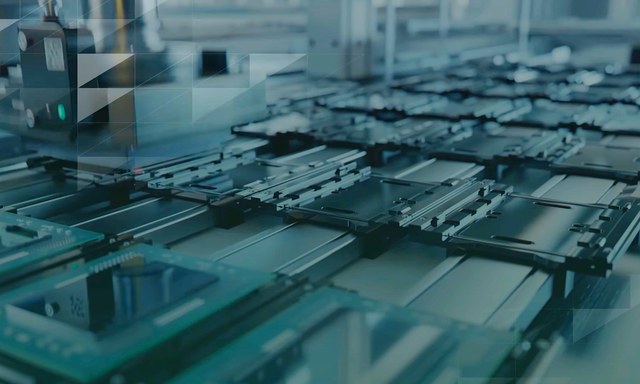
Technology has always shaped the way people live and work, but the next decade could bring changes on a scale that is difficult to predict. Artificial intelligence, cloud computing, robotics, and advanced semiconductor technology are transforming industries, influencing economic policy, and changing how businesses compete. Companies that successfully develop and commercialise these technologies may gain significant advantages, while those that fail to adapt could struggle to remain relevant.
The competition is no longer simply about creating the next popular device or software application. It is about building the infrastructure, intellectual property, and digital ecosystems that will support future economic growth. Understanding the forces driving this race can help investors, business leaders, and consumers recognise which developments matter most and why the decisions made today could have lasting consequences.
Artificial Intelligence Is Reshaping the Competitive Landscape
Artificial intelligence has emerged as one of the most influential forces in modern technology. Businesses are integrating AI into customer service, software development, medical research, logistics, financial analysis, and manufacturing. These applications can improve productivity, automate repetitive tasks, and help organisations extract useful insights from increasingly large volumes of data.
However, developing powerful AI models is only part of the challenge. Companies also need computing infrastructure, specialised chips, reliable energy supplies, and access to high-quality data. The expense of building and operating these systems creates opportunities for established technology businesses with substantial resources, while also leaving room for smaller companies that develop specialised applications or more efficient models.
The competitive advantage will ultimately depend on more than the sophistication of an algorithm. Companies must demonstrate that their AI products solve real problems, attract paying customers, and deliver measurable improvements. As businesses become more selective about technology spending, the ability to turn experimentation into sustainable revenue could distinguish long-term winners from companies that struggle to justify their investments.
The Infrastructure Behind the Technology Boom
Behind every major technological breakthrough is an extensive infrastructure that makes it possible. Semiconductor manufacturers produce the chips that power advanced computing, data centres provide processing capacity, and cloud platforms allow organisations to access sophisticated services without building their own facilities. These interconnected industries are becoming increasingly important as demand for AI capabilities expands.
Competition in this area also involves energy efficiency, supply chain resilience, and access to critical materials. Data centres require substantial electricity and cooling capacity, while semiconductor production depends on specialised equipment and complex international supply networks. Governments and corporations are therefore investing in domestic manufacturing, infrastructure improvements, and alternative sources of energy to reduce vulnerabilities and support future demand.
These requirements create both opportunities and risks. Infrastructure investments can generate long-term revenue, but they also involve substantial upfront costs, uncertain demand forecasts, and the possibility that equipment may become outdated. Companies that balance expansion with disciplined capital allocation may be better positioned to benefit from technological growth without exposing themselves unnecessarily to changing market conditions.
Established Technology Giants Face New Challenges
Large technology companies enter this race with advantages that smaller competitors often lack. They may already possess extensive customer networks, global distribution systems, significant research budgets, and established relationships with businesses and developers. These resources can make it easier to introduce new products, integrate emerging technologies, and expand into adjacent markets.
Alphabet, for example, operates across internet search, digital advertising, cloud computing, and AI research. Its technology ecosystem gives it multiple ways to commercialise innovation, although competition, regulation, and changing consumer behaviour can affect its performance. Investors examining Alphabet stock may consider how the company’s AI investments could influence its future growth, while also evaluating the potential impact on its established search advertising business.
An established position does not guarantee future success. New competitors can introduce cheaper or more convenient alternatives, while existing products can lose relevance as customer expectations change. Even companies with extensive financial resources must continually adapt their strategies, protect their market share, and ensure that research spending translates into commercially valuable products.
The Role of Regulation and Global Competition
The technology race is also shaped by geopolitical priorities and government policy. Advanced semiconductors, AI systems, and telecommunications infrastructure have become strategic assets, prompting governments to introduce investment incentives, export controls, and rules governing access to sensitive technologies. These policies can influence where companies manufacture products, how they source components, and which markets they can serve.
Regulation presents a complicated balance. Clear rules can improve consumer protection, strengthen data privacy, and encourage responsible innovation. At the same time, inconsistent requirements across jurisdictions can increase compliance costs and make international expansion more difficult. Companies must navigate these obligations while responding to evolving expectations around cybersecurity, intellectual property, and the responsible use of AI.
Conclusion
The technology race unfolding today will influence how economies grow, how businesses operate, and how people interact with the world around them. Artificial intelligence, advanced computing, digital infrastructure, and international competition are creating opportunities while introducing new financial and operational risks.
The most successful companies will likely be those that combine innovation with practical execution, responsible investment, and a clear understanding of customer needs. For investors and business leaders alike, the key is to look beyond the excitement surrounding emerging technologies and evaluate the fundamentals that support lasting success.

Longer Lives Strain Australian Retirement Savings Amid Uncertainty


