


RBA raises rates to 18-year high
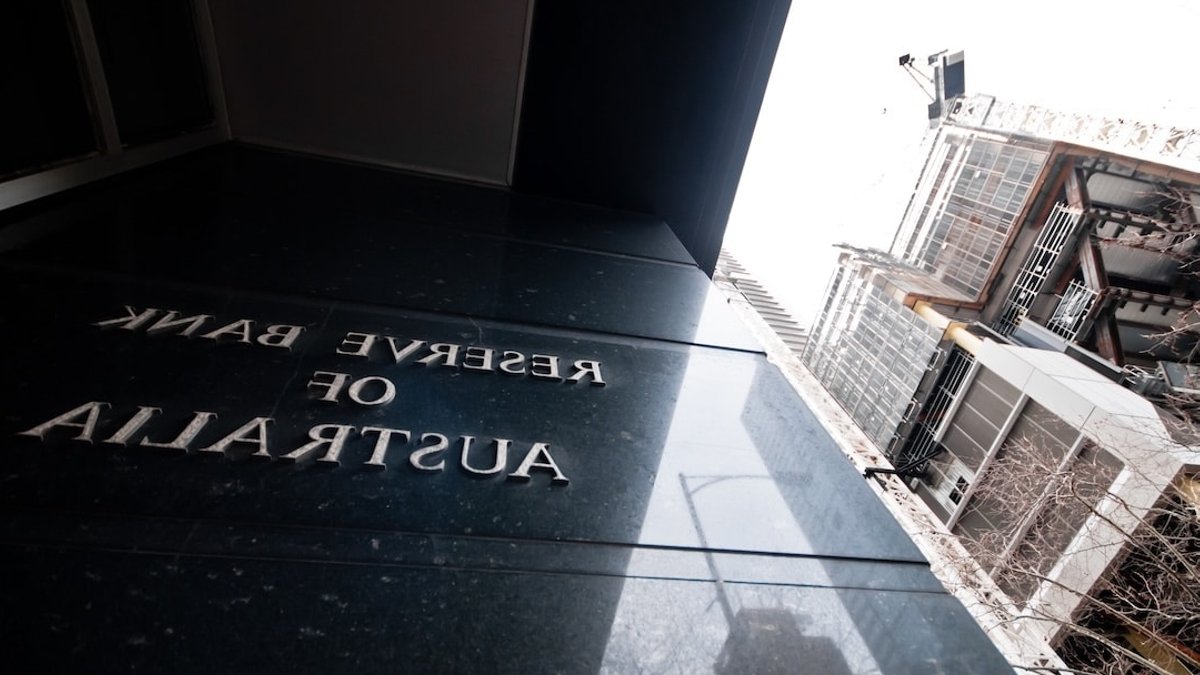
The Reserve Bank of Australia (RBA) has increased its cash rate by 25 basis points to 4.85 per cent. This move marks the fifth rate hike of the year and brings the rate to its highest level in 18 years.
Markets anticipated this change. As of 2 November, the ASX’s RBA Rate Tracker showed an 80 per cent chance of a hike. A 20 per cent chance was predicted for no change.
The decision was a majority vote. Six members voted to increase the cash rate. Three members voted to leave it unchanged at 4.6 per cent.
Reasons for the Rate Increase
The RBA stated that recent data confirmed underlying inflation remains widespread. Capacity pressures are now seen as tighter than previously estimated. Higher fuel prices are also being passed on to other goods and services.
The Board noted that inflation is expected to stay above 3 per cent for the next year. There is a growing risk that higher inflation expectations could become entrenched in the economy. This decision followed September CPI data showing annual inflation at 4.3 per cent, up from 4.0 per cent in August, and quarterly trimmed mean inflation at 1.0 per cent.
The RBA is mindful that inflation has been too high for some time. Given the revised outlook and ongoing risks, the Board decided another tightening of financial conditions is necessary. This is to help bring inflation back to its target.
Economic Uncertainties
The RBA highlighted persistent uncertainties about the economy and inflation. The unresolved war in the Middle East between the US, Israel, and Iran is a key factor. Global oil supply disruptions are keeping upward pressure on energy prices and inflation.
A prolonged period of uncertainty could weaken growth both globally and in Australia. So far, growth in Australia’s major trading partners has been stronger than expected. This is because AI-related investment has offset the negative effects of the Middle East conflict.
In Australia, weak productivity growth is limiting potential growth. There are also uncertainties about the downturn in the housing market. The housing market’s effects on the broader economy are not yet fully clear.
Expert Reactions
Economists have warned that inflation expectations are becoming harder to contain, even as the economy and housing market slow. Philip Brown, head of research at FIIG Securities, said the RBA is increasingly focused on future inflation and price-setting behavior. He added that the RBA is very likely to raise rates again.
Brown cautioned that prolonged rate rises could add to economic pressure. Ivan Colhoun, chief economist at CreditorWatch, expects the RBA to hold rates in December. The bank will likely assess the impact of its tightening measures before making another move.
Paul Bloxham, HSBC’s chief economist, said the increase risks worsening an economic downturn. He noted that weak productivity and strong public spending are limiting the economy’s ability to grow.
The Australian Council of Trade Unions opposed the hike. Secretary Melissa Donnelly warned that workers are already under pressure from living and housing costs. She argued that raising rates could cost Australian jobs. She said the union movement’s analysis suggested following New Zealand’s path could leave an additional 145,000 Australians out of work. “Lifting official interest rates and ignoring the risk to jobs doesn’t fix global inflation. But it costs jobs and Australian workers don’t deserve to be forced down that path.”


