


EU Trade Chief Demands China Fix Billion-Euro Deficit
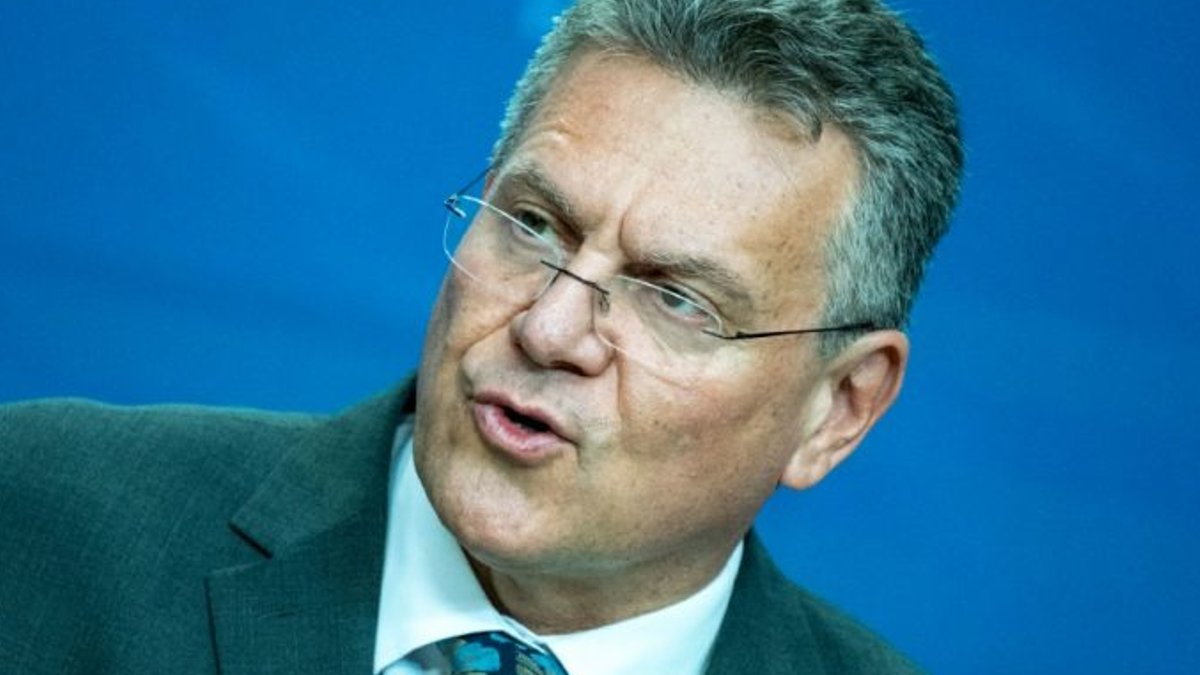
The European Union’s trade deficit with China reached a critical level this week, prompting its top trade official to declare the imbalance was no longer viable. Maros Sefcovic, the EU’s executive vice president for trade, began two days of negotiations in Beijing with a direct demand: the bloc’s daily trade shortfall—€1 billion ($1.1 billion) every 24 hours—must be corrected before relations deteriorate further.
Sefcovic’s opening remarks, shared on X, positioned the talks as an effort to correct the deficit. His first meeting involved European companies operating in China, where concerns over market access and economic security dominated discussions. He stated that the EU needed improved terms for selling goods in China while safeguarding its domestic industries. The EU’s concerns stem from years of alleged unfair trade practices by Beijing.
These include state subsidies, below-cost pricing in sectors like electric vehicles and chemicals, and manipulation of supply chains, all of which have weakened European competitiveness. The bloc also points to China’s currency policies as a contributing factor, though Beijing denies any deliberate manipulation for trade gains. However, the EU faces significant constraints. China controls key resources, supplying 90% of the world’s rare earth minerals, which are vital for products ranging from smartphones to wind turbines.
Disrupting these supplies would harm Europe’s green energy transition and defense sectors. Additionally, China remains a key market for European exports, particularly in machinery and luxury goods. Pressure within the EU to take action is intensifying. France and Germany, the bloc’s economic leaders, have privately advocated for quicker tools to counter Chinese trade practices.
A letter obtained by AFP this week, signed by President Emmanuel Macron and Chancellor Friedrich Merz, urged the creation of a reliable mechanism to respond to Beijing’s actions within days, not months. This proposal is scheduled for discussion at next week’s EU summit and would allow Brussels to impose rapid penalties on Chinese imports if unfair practices are detected. China’s reaction was swift.
On Tuesday, its commerce ministry cautioned against protectionist measures, labeling them a mistaken approach that would backfire. Beijing’s foreign ministry reinforced this stance on Thursday, advocating for dialogue instead of confrontation. Meanwhile, Sefcovic arrived with a three-part agenda: restricting Chinese exports in sensitive industries, expanding EU sales to China, and securing stable access to essential raw materials. A major obstacle remains the issue of rare earth minerals.
Last year, China tightened export controls on these materials, forcing European companies to seek alternatives. The EU now seeks voluntary limits on Chinese exports, such as caps on hybrid electric vehicles, to pressure Beijing into concessions. However, China has rejected any form of import quotas, dismissing them as disguised trade barriers. Zhu Tian, an economics professor at Shanghai’s China Europe International Business School, shared this view, predicting the talks would produce “targeted agreements” rather than a full settlement.
For the moment, the EU’s options are limited. While it threatens countermeasures, its economy remains deeply connected to China’s. With Beijing’s domestic economy slowing, any effort to restrict European exports could further strain relations. The outcome of Sefcovic’s visit will determine whether compromise is possible, or if the deficit continues to grow, pushing the two sides toward conflict.
EU demands China curb trade imbalance
The EU’s trade deficit with China has surged to €1 billion daily, prompting its top trade official to warn that the imbalance is unsustainable. During his first meeting, Sefcovic discussed concerns from European businesses in China, where access to markets and economic security were key issues. He emphasized the need for fairer conditions to sell into China while protecting domestic industries.
These practices have undermined European competitiveness. The bloc also accuses China of currency manipulation, though Beijing denies targeting trade advantages through its exchange rate. Yet the EU’s ability to act is constrained. China dominates the supply of rare earth minerals, accounting for 90% of global production, which are essential for technologies from smartphones to wind turbines. Internal EU pressure to respond is rising.
Zhu Tian of China Europe International Business School agreed, expecting “targeted agreements” rather than a full resolution. The EU’s options remain limited. While it threatens retaliation, its economy is deeply tied to China’s.
France and Germany push for rapid EU retaliation
France and Germany have pushed for stronger measures against China’s trade practices, with their leaders calling for immediate action. China’s commerce ministry warned on Tuesday that protectionist measures would backfire, while its foreign ministry urged dialogue over confrontation. The EU’s ability to act is constrained by its economic ties to China. While it threatens retaliation, any disruption to critical supplies or markets could further strain relations.

Australian High Court Blocks Coal Mine Expansion Over Emissions


